

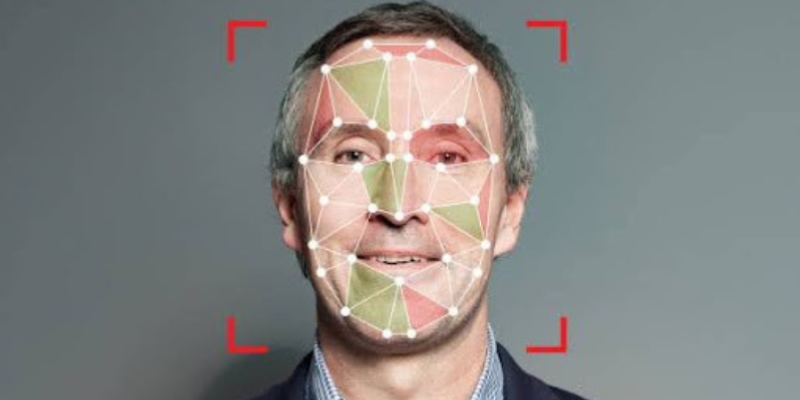
Best Face Liveness Detection Software for Identity Verification
Online banking, fintech applications, ecommerce platforms, and digital identity services increasingly rely on facial verification to protect accounts and prevent identity fraud. However, facial recognition alone may not be enough to establish that a person is physically present during verification.
This is where liveness detection software becomes important. It helps determine whether a facial sample comes from a live person rather than a photograph, prerecorded video, mask, or other presentation attack. By adding liveness checks to identity verification workflows, businesses can strengthen security and make digital onboarding more reliable.
What Is Face Liveness Detection Software?
Face liveness detection software uses artificial intelligence and computer vision to assess whether a face presented to a camera belongs to a live person.
It is commonly used alongside facial recognition and identity document verification. While facial recognition compares facial features to establish whether two samples belong to the same person, liveness detection evaluates whether the submitted facial sample appears to be genuine and live.
There are two common approaches:
Passive liveness detection: Analyzes facial images or video without requiring users to perform specific actions.
Active liveness detection: Asks users to complete actions, such as blinking, turning their heads, or following an on-screen instruction.
Both approaches aim to reduce presentation attacks, although their performance depends on the technology, testing conditions, and sophistication of potential attacks.
How Face Liveness Detection Software Works
Modern liveness detection systems combine several technologies to analyze facial information and identify suspicious patterns.
1. Facial Image Capture
The process begins when a user takes a selfie or records a short video using a smartphone, webcam, or another camera-enabled device.
The software evaluates the captured input and checks whether it meets basic quality requirements, such as adequate lighting, face positioning, and image clarity.
2. AI-Based Facial Analysis
Depending on the system, this may include examining skin texture, facial movement, lighting, depth information, and other signals.
These checks help the system distinguish certain genuine facial presentations from attempts involving photographs, screens, or artificial representations.
3. Presentation Attack Detection
Presentation attack detection is a major part of face liveness technology. It focuses on identifying attempts to deceive a biometric system using artificial representations of a person's face.
Some systems can detect particular attacks involving printed photographs, replayed videos, or masks. More advanced solutions may also incorporate safeguards against digital injection attacks, where manipulated data is introduced directly into the verification process.
4. Verification Results
After analyzing the available signals, the software generates a result indicating whether the facial sample appears live or requires further review.
Depending on the implementation, this result may be combined with facial matching and identity document verification before an account or transaction is approved.
Key Features of the Best Face Liveness Detection Software
Choosing the right solution depends on your organization's security requirements, industry, budget, and customer experience goals. Evaluate providers based on the following capabilities.
1. Accuracy and Independent Testing
A reliable solution should explain how its liveness detection technology performs under different conditions.
Look for independent testing, transparent performance information, and evidence of resistance to relevant presentation attacks. Pay attention to false acceptance and false rejection rates.
A system that incorrectly accepts an attack can create security risks, while one that frequently rejects legitimate users can frustrate customers.
2. AI and Machine Learning Capabilities
AI-powered solutions can analyze facial characteristics and detect patterns that may indicate spoofing attempts.
Evaluate whether the technology is regularly tested and updated to address evolving attack techniques. Also consider whether it can handle variations in lighting, camera quality, facial appearance, and device types.
3. Passive and Active Liveness Options
Some businesses prefer passive verification because it requires less effort from customers. Others may need active liveness checks for additional assurance.
A flexible solution may offer both approaches or allow businesses to select verification methods based on transaction risk.
4. Integration With Identity Verification Systems
Face liveness detection is often most effective as part of a broader identity verification process.
Look for software that can integrate with facial matching, identity document verification, onboarding systems, and existing security workflows.
API availability, developer documentation, and technical support are important considerations when evaluating integration capabilities.
5. Mobile and Web Compatibility
Customers use different devices to access digital services. A suitable solution should support the platforms relevant to your audience, including smartphones, tablets, and desktop browsers.
Check whether the provider offers software development kits, APIs, and clear implementation guidance.
6. Privacy and Data Security
Facial information is sensitive biometric data. Before choosing a provider, review its data collection, storage, encryption, retention, and deletion policies.
Businesses should also confirm whether the solution supports applicable privacy and data protection requirements in their operating regions.
Benefits of Face Liveness Detection for Identity Verification
Reduces Presentation Attacks
Liveness detection helps identify attempts to bypass facial verification using photographs, prerecorded videos, masks, and other artificial representations.
Strengthens Digital Onboarding
Financial services and online platforms can use liveness checks as part of customer onboarding to improve confidence in remote identity verification.
Supports Fraud Prevention
When combined with identity document verification, facial matching, and transaction monitoring, liveness detection can help reduce certain identity-related fraud risks.
Improves Remote Authentication
Users can complete biometric checks remotely without necessarily visiting a physical office, making the process more convenient for digital services.
Industries That Use Face Liveness Detection
Face liveness detection has applications across several industries:
Banking and fintech: Supporting remote customer onboarding and account verification.
Ecommerce: Helping verify identities during selected high-risk transactions.
Healthcare: Supporting identity checks for digital patient services where appropriate.
Telecommunications: Assisting with remote SIM registration and customer verification.
Online platforms: Strengthening account creation and access controls.
The appropriate implementation depends on industry regulations, risk levels, and customer privacy requirements.
How to Choose the Right Face Liveness Detection Software
Before selecting a solution, define your security objectives and compare available technologies using real-world testing.
Evaluate accuracy, attack resistance, integration options, pricing, scalability, privacy practices, and customer experience. Request a demonstration and test the system using the devices and conditions your customers are likely to encounter.
Also consider what happens when verification fails. A good solution should provide clear instructions and alternative review options for legitimate users who cannot complete an automated check.
Conclusion
The best face liveness detection software helps businesses strengthen identity verification by distinguishing genuine facial presentations from certain spoofing attempts. AI-powered facial analysis, face matching, presentation attack detection, and integration with identity verification workflows can improve security across digital services.
Ultimately, businesses should prioritize independently evaluated performance, strong privacy protections, reliable integration, and a smooth customer experience. Face liveness detection is an important security layer, but it works best when combined with other identity verification and fraud prevention measures.